Small Tasks, Big Protection: Why Low-Cost Preventive Maintenance Matters
A clogged HVAC filter. A pump bearing that hasn't been lubricated. A small plumbing leak that's been on someone's to-do list for weeks. None of these sound particularly expensive to address, do they? But when routine maintenance keeps getting pushed aside, small problems have an opportunity to become much bigger ones. Restricted airflow can affect HVAC performance, inadequate lubrication can accelerate mechanical wear, and an unnoticed leak can damage surrounding building materials long before anyone realizes there's a problem.
Some of the smallest tasks on your preventive maintenance schedule are protecting your most expensive assets. Unfortunately, they're also among the easiest to postpone when emergency repairs and daily operational demands compete for attention. The challenge isn't simply knowing what maintenance needs to be done. It's understanding the potential consequences of delaying it, recognizing which tasks present the greatest risk, and creating a process that ensures important work doesn't get forgotten.
Key Takeaways (TL;DR):
- Small maintenance tasks carry significant financial consequences. Overlooked inspections, lubrication, and minor servicing can allow problems to develop into expensive repairs, equipment downtime, and operational disruptions.
- Not all overdue maintenance presents the same level of risk. Prioritizing tasks according to safety, equipment criticality, and potential failure consequences helps maintenance teams focus their resources where they matter most.
- A maintenance schedule is only effective when work gets completed. Standardized procedures, clear accountability, and CMMS software help teams track recurring tasks, identify overdue maintenance, and improve preventive maintenance compliance.
What Are Low-Cost Preventive Maintenance Tasks?
Major equipment repairs and capital replacements tend to attract the most attention when facility managers review maintenance budgets. A failing chiller, an aging boiler, or an expensive HVAC replacement carries an obvious financial impact. Meanwhile, the smaller maintenance activities that help keep those systems operating reliably rarely receive the same level of attention.
Low-cost preventive maintenance includes routine inspections, cleaning, lubrication, and minor adjustments that require relatively little time or material expense. These activities can help identify developing equipment problems, support safe building operations, and reduce the likelihood of more extensive repairs.
While many of these tasks are relatively simple, they aren't necessarily free or appropriate for every technician. They still require labour, suitable training, and occasionally replacement materials. Certain safety inspections and specialized maintenance activities also involve mandatory procedures and qualified personnel. The value of these tasks becomes clearer when you consider what can happen if they're repeatedly overlooked.
How Much Can Skipping Preventive Maintenance Really Cost?
The cost of deferred maintenance isn't always apparent when a scheduled task is postponed. Equipment may continue operating normally even while underlying conditions deteriorate, making it difficult to recognize the financial consequences until a repair becomes necessary. Consider the following routine maintenance activities and the potential problems they help identify or avoid.
How Small Maintenance Tasks Turn Into Expensive Problems
| Preventive Maintenance Task | What's Being Overlooked | Potential Consequences |
| HVAC maintenance | Dirty filters, worn belts or blocked condensate drains |
Reduced efficiency, higher running costs, equipment problems, water leaks and repair costs
|
| Pumps and motors | Inadequate bearing lubrication, unusual vibration or visible wear | Premature component failure, emergency repairs and downtime |
| Plumbing inspections | Dripping valves, deteriorating seals or small leaks | Water damage, higher utility costs and restoration expenses |
| Fire doors and emergency lighting | Defective door closers, faulty latches or failed emergency lighting | Safety deficiencies, potential compliance issues and increased risk during emergencies |
| Kitchen exhaust systems | Grease accumulation in hoods, filters or ductwork | Increased fire risk, ventilation problems and potential kitchen shutdowns |
| Roof and drainage systems | Blocked roof drains, damaged seals or signs of water intrusion | Roof leaks, water accumulation and building damage |
These examples illustrate potential consequences, not guaranteed outcomes. Inspection and servicing requirements vary by equipment, facility and applicable regulations.
Real-World Examples: What Can Neglected Maintenance Actually Cost?
While the table above illustrates the potential consequences, documented cases demonstrate just how expensive equipment problems and property deterioration can become.
| Maintenance Issue | What Happened | Documented Financial Impact |
|
Neglected Rooftop HVAC |
Deferred and improper maintenance contributed to equipment problems at a South Carolina retail mall. |
$14,348 USD in service and repairs, plus an estimated $8,400 in additional energy costs |
|
Clogged Drainage System |
Heavy rainfall and clogged drainage contributed to extensive water damage at a Vancouver commercial plaza. |
$2.5 million CAD restoration project |
|
Hotel Property Deterioration |
Breaches of repair and maintenance obligations resulted in extensive deterioration at an Ontario hotel property. |
Approximately $1.73 million CAD in court-awarded remediation damages |
Sources: (1) HPAC Engineering, Rooftop Unit Maintenance; (2) GNC Group, Commercial Restoration Case Studies; (3) Ontario Superior Court, Lundy's Regency Arms Corp. v. Niagara Hospitality Hotels Inc. (2016).
Note: Figures represent different types of historical costs. The HVAC example directly involves deferred and improper maintenance; the other cases illustrate broader property and drainage problems, not confirmed missed PM inspections.
What Does Research Say About Preventive Maintenance Costs?
The financial benefits of planned maintenance have been studied for decades. The U.S. Department of Energy's Operations & Maintenance Best Practices Guide cites historical research indicating that preventive maintenance programs can produce estimated cost savings of 12% to 18% compared with reactive maintenance programs.
These figures represent broad estimates rather than guaranteed results, and actual savings depend on factors such as equipment condition, existing maintenance practices, and the effectiveness of the program.
The research also recognizes that effective maintenance programs balance preventive, predictive, and reactive approaches according to equipment reliability and operational needs. Not every asset requires the same maintenance schedule, and unnecessary servicing can introduce costs of its own.
Source: Pacific Northwest National Laboratory, O&M Best Practices: Maintenance Approaches
For facility managers, the lesson isn't to perform maintenance as frequently as possible. It's to identify the activities that protect equipment and operations, then make sure those activities are completed when they're needed.
Why Do Preventive Maintenance Tasks Get Missed?
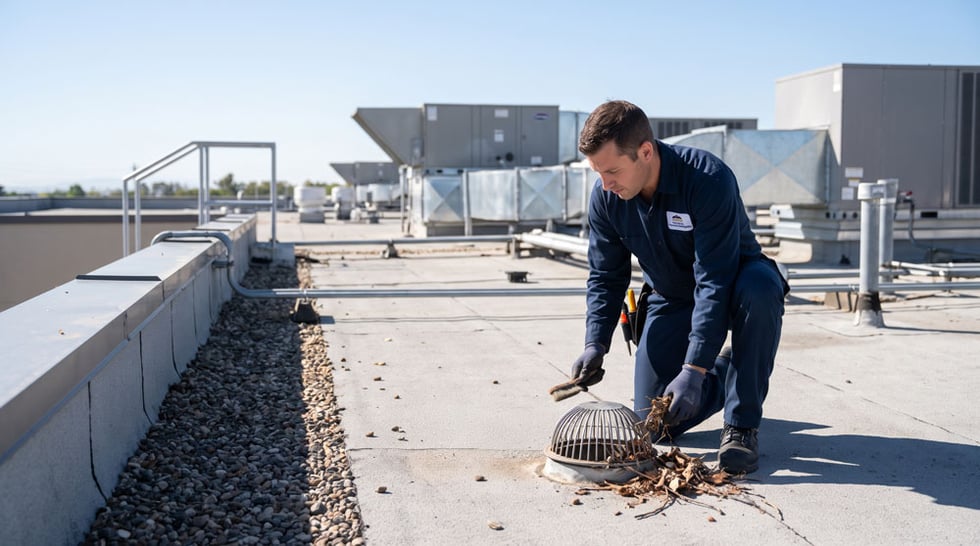
Most maintenance managers understand the importance of preventive maintenance. The difficulty comes from managing scheduled work alongside the unpredictable demands of operating a facility. A technician might begin the morning planning to inspect several rooftop HVAC units, only to be redirected to a plumbing emergency, a damaged door lock, and an urgent request from another department. By the end of the day, the inspections haven't been completed, and the technician is already facing another full schedule tomorrow. These interruptions are unavoidable in many maintenance operations. The underlying problem develops when postponed work isn't properly documented, reassigned, or rescheduled.
The Legacy Knowledge Trap
Experienced technicians often carry valuable knowledge that never makes its way into formal maintenance procedures. They may know which pump requires additional attention, which equipment has a history of unusual readings, or which seasonal inspections have prevented problems in the past.
When those routines depend entirely on individual experience, they can be lost when employees retire, change positions, or take extended leave. Without documented procedures, other technicians may not even realize certain recurring checks are necessary.
Paper Checklists and Manual Tracking
Paper logs, spreadsheets, and shared calendars can help organize maintenance, but they often require manual updates and follow-up. A task appearing on a schedule doesn't necessarily confirm that it was completed, particularly when inspection records are scattered across departments or locations.
Becca A., a MaintenanceCare customer who reviewed the software on Capterra, described how moving away from paper maintenance requests helped her organization improve communication and keep track of outstanding work.
"No more missing maintenance requests, no more wondering what the status was of a request"
— Becca A., Capterra reviewer
Her review also highlights reminders for recurring maintenance, including annual filter changes and battery replacements, along with the ability to review equipment repair histories when deciding whether an asset should be repaired or replaced.
Read Becca's Review on Capterra
When Small Tasks Become Easy to Postpone
Routine inspections rarely attract the same attention as an active breakdown because the consequences of missing them may not be immediately visible. A minor servicing task can seem less important than a leaking pipe or malfunctioning air conditioner, even when the equipment being serviced supports a critical building system. If these postponements accumulate without a clear process for reviewing them, maintenance teams can develop a backlog that reflects operational risk rather than simply unfinished paperwork.
Which Overdue Preventive Maintenance Tasks Should You Prioritize?
When maintenance resources are limited, addressing overdue tasks in the order they were originally scheduled may not be the most effective approach. A routine inspection that's two weeks late doesn't necessarily present the same risk as a recently missed safety-related check or evidence of a developing failure in critical equipment.
A more useful approach is to consider the potential consequences of further delay, along with equipment criticality, maintenance requirements, and the condition of the asset. This applies both to overdue preventive maintenance and to deficiencies identified during routine inspections.
| Priority | What to Consider | Examples |
| Critical | Immediate threats to occupant safety, essential operations or regulatory compliance | Failed emergency generator, malfunctioning emergency lighting or fire safety system deficiencies |
| High | Developing problems that could cause significant damage, equipment failure or operational disruption | Active plumbing leaks, abnormal pump vibration or deteriorating HVAC performance |
| Routine | Lower-risk maintenance that can be rescheduled within an appropriate service window | Certain noncritical inspections, routine cleaning or minor adjustments |
This framework is illustrative. Required inspections, known hazards and safety-related work must follow applicable regulations, manufacturer instructions and facility policies.
The condition and purpose of an asset should influence its priority. A pump supporting an essential building system may require a more urgent response than an equivalent pump serving a noncritical application. Similarly, an overdue inspection on equipment with a history of recurring problems deserves closer attention than one on an asset with stable performance.
Managers should also consider how long tasks have been outstanding and whether delays are becoming a pattern. An isolated postponement may be manageable, but repeatedly missing maintenance on the same equipment could indicate that service intervals, staffing, or scheduling practices need to be reviewed. Prioritizing maintenance according to risk helps teams direct their available resources where they can make the greatest difference.
Preventive Maintenance in Action:
Real-World Inspections
MaintenanceCare's Preventive Measures video series provides practical examples of routine equipment checks and inspections. While these activities can vary in complexity, both demonstrate the value of identifying potential equipment problems before they become operational emergencies.
Emergency Generator Preventive Maintenance
Backup generators may remain unused for extended periods, making regular inspections and testing particularly important. Checking operating conditions and following the manufacturer's service requirements can help identify problems that might otherwise go unnoticed until emergency power is needed.
Watch: How to Perform Generator PM Checks – Emergency Power Test
Boiler and Mechanical Room Inspections
Routine mechanical room inspections can help identify leaks, abnormal pressure readings, and changes in equipment performance. Documenting these conditions over time gives technicians useful information for determining when additional maintenance or investigation is necessary.
Watch: Preventive Measures: Boiler and Electrical Room Checks
How to Move from Manual Clipboards to Digital Preventive Maintenance Workflows
Improving preventive maintenance doesn't necessarily require creating more tasks. It requires a dependable process for organizing existing responsibilities, documenting completed work, and identifying maintenance that needs further attention.
Moving from paper records to a Computerized Maintenance Management System (CMMS) can help standardize these activities while giving maintenance managers greater visibility into scheduled work.
1. Audit and Standardize Low-Cost Maintenance Tasks
-
Start by reviewing existing maintenance records, including spreadsheets, paper logs, and informal procedures maintained by experienced technicians. Identify recurring activities that are inconsistently documented or depend on someone remembering to perform them.
-
Organize these activities into clear instructions based on equipment requirements and established maintenance procedures. Rather than assigning a general task such as "Check HVAC," specify what the technician should inspect, what readings should be recorded, and which conditions require further attention.
-
A standardized task might read: "Inspect belt condition, verify operating pressure against the approved range and document abnormal readings."
-
Clear instructions help qualified technicians perform work consistently and provide more useful maintenance records for future reference.
2. Label Equipment with Scannable Asset Tags
-
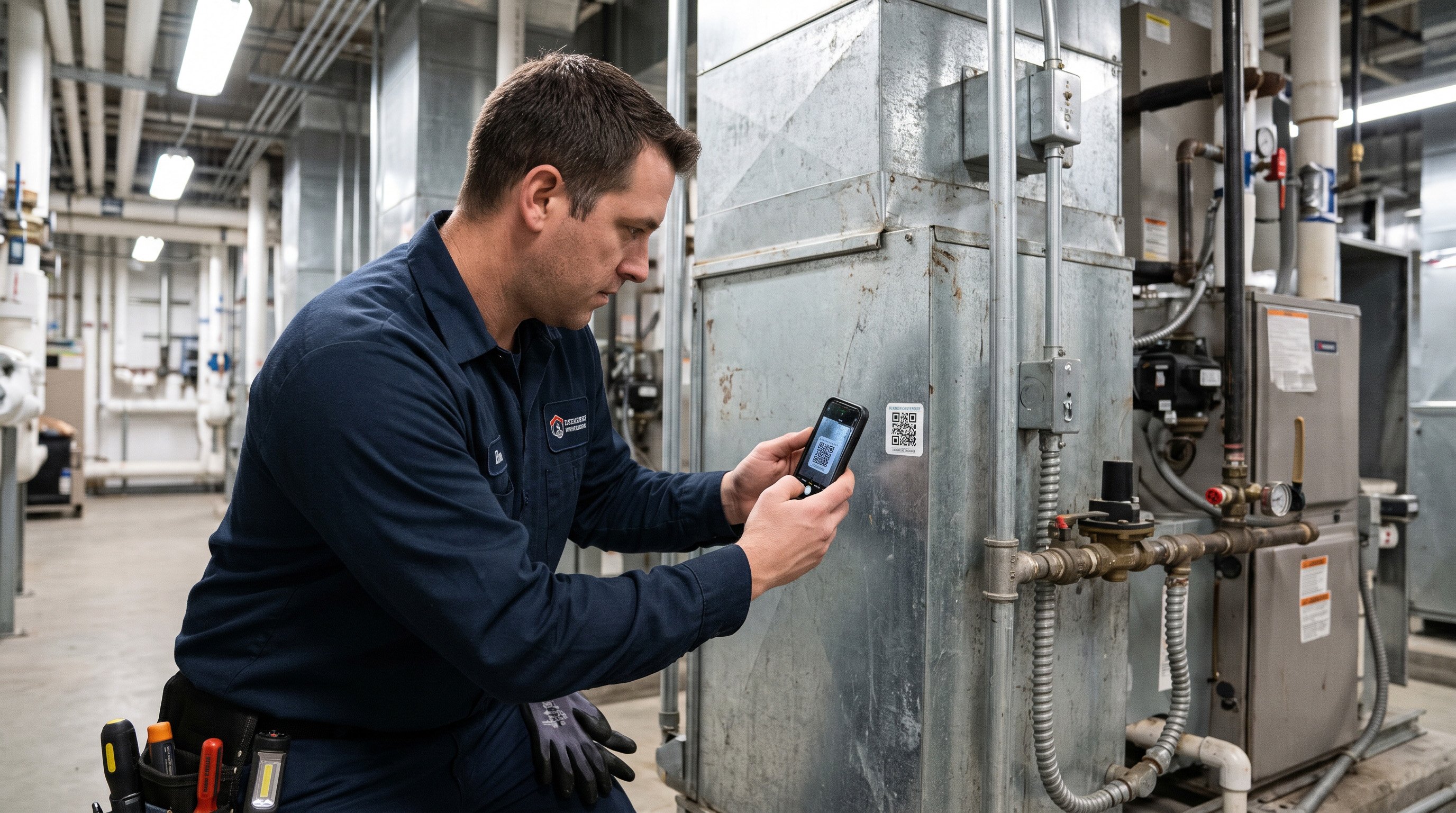
Once asset records have been organized, barcode or QR code labels can make equipment information easier to retrieve in the field.
-
With a compatible CMMS, technicians can scan an asset label to identify the equipment and access associated information, such as service history or existing maintenance records. This can be particularly useful in larger facilities where similar equipment is installed throughout multiple floors or buildings.
-
Asset identification also helps reduce confusion when recording inspections or assigning repairs to specific pieces of equipment.
3. Give Technicians Mobile Access to Maintenance Tasks
-
When technicians can access assigned work orders and equipment information directly from their mobile devices, they spend less time moving between job sites and the maintenance office to retrieve or update paperwork.
-
MaintenanceCare's mobile app allows technicians to manage work orders, review asset information, and attach photos to maintenance records while working throughout the facility.
-
Recording information closer to the time an inspection is performed helps maintain more current service histories and provides managers with a clearer view of work order progress.
4. Track Preventive Maintenance Completion and Compliance
-
Once maintenance tasks are scheduled and documented digitally, managers can begin measuring whether work is being completed within the required timeframe.
-
Preventive Maintenance Compliance (PMC) is a commonly used metric that compares scheduled preventive maintenance tasks completed on time against the total number scheduled during a reporting period.
PMC (%) = (PM tasks completed on time ÷ PM tasks scheduled) × 100
For example, if 100 preventive maintenance tasks are scheduled during a month and 85 are completed within the established completion window, the compliance rate is 85%.
However, the percentage itself is only a starting point. Managers should investigate the remaining 15 tasks to determine whether they were completed late, rescheduled, or left unfinished. Understanding those circumstances can reveal scheduling problems, resource constraints, or recurring issues with particular equipment.
For maintenance managers, this visibility can reduce the need to constantly follow up with technicians just to confirm that routine work has been addressed.
Travis T., a MaintenanceCare customer who reviewed the software on G2, highlighted the value of weekly, monthly, and annual maintenance scheduling, describing his experience this way:
"It's an automated checks and balance system, so I don't have to worry about checking in constantly."
— Travis T., G2 reviewer
With MaintenanceCare's preventive maintenance software, maintenance teams can organize recurring schedules, assign work, monitor outstanding tasks, and maintain equipment service histories in one centralized system. For organizations managing multiple facilities, consistent maintenance records can also make it easier to coordinate and review maintenance activities across different buildings.
The value of a CMMS isn't simply generating more scheduled work. It's providing the information needed to manage that work effectively.
Frequently Asked Questions About Preventive Maintenance
Don't Let Small Maintenance Tasks Become Big Problems
The costliest maintenance problems don't always begin with major equipment failures. Sometimes they develop because an inspection was postponed, a warning sign went undocumented, or a routine task was never rescheduled.
Protecting equipment and controlling maintenance costs requires more than a calendar full of scheduled work. It requires realistic priorities, consistent procedures, and reliable information about what's actually being completed.
MaintenanceCare helps facility managers bring those responsibilities together through preventive maintenance scheduling, work order management, and centralized equipment records, making it easier to stay on top of maintenance across their facilities.
Because the smallest task on your maintenance schedule could be protecting one of your most expensive assets.
Download Your Free Preventive Maintenance Checklist
Explore MaintenanceCare Preventive Maintenance Software